When I was walking from King’s Cross to another place, I suddenly noticed that something had changed. The brand-new buildings and clean pavements around me had disappeared. Instead, there were dilapidated residential buildings and rubbish scattered across the ground. This was Purchese Street.
I chose this street as my investigation area because the contrast was so striking that I wanted to understand it more deeply. I tried three methods: knolling, mapping and photography. With my tutor’s suggestion, I also combined scanning with knolling. During my research, I began to focus on the everyday waste we usually ignore, which reminded me of Georges Perec’s writing about everyday spaces. Rather than treating ordinary things as insignificant, Perec encourages us to look again at what we often overlook (Perec, 1974). When I collected discarded wrappers and cans, I noticed that their logos, price information and materials carried traces of commercial and social life. This ordinary street became more than just a place; it was a space shaped by consumption, habits and everyday decisions.
My process also relates to Agnès Varda’s documentary The Gleaners and I (2000), which explores the collection and recovery of discarded objects. Collecting waste from Purchese Street became a form of gleaning for me. I brought these objects home and scanned and sorted them. Unlike photography, which records objects within their surroundings, scanning allowed me to examine the packaging more closely. For example, I found two Red Bull cans in very different conditions, suggesting how differently they had weathered on the street. This shift from observing the environment to examining individual objects made me realise that research depends not only on what I observe, but also on how I choose to observe it.
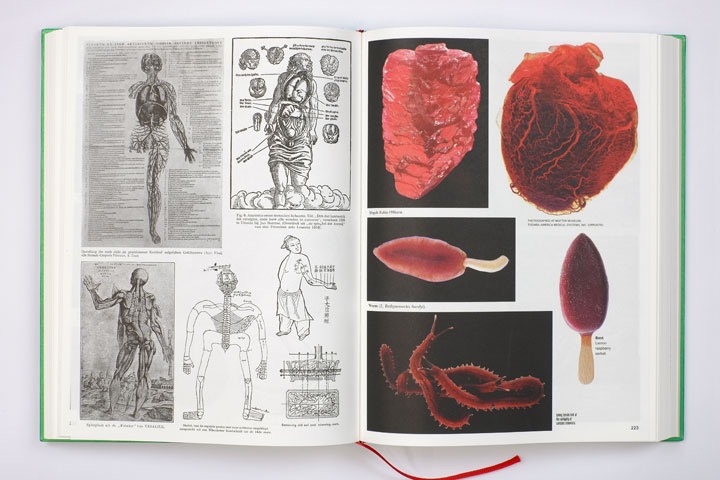
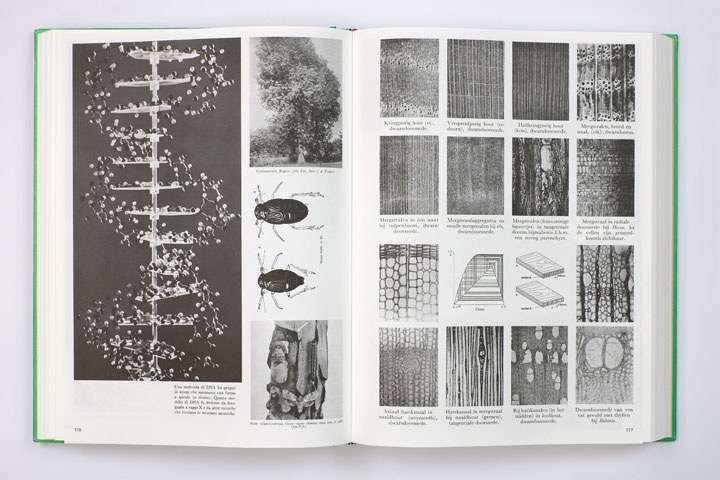
Batia Suter’s Parallel Encyclopedia 2 inspired me to think about relationships between images. Her arrangements encouraged me to rethink knolling, not simply as sorting objects by type, but as connecting them through price, typography, colour or material to create new visual narratives.
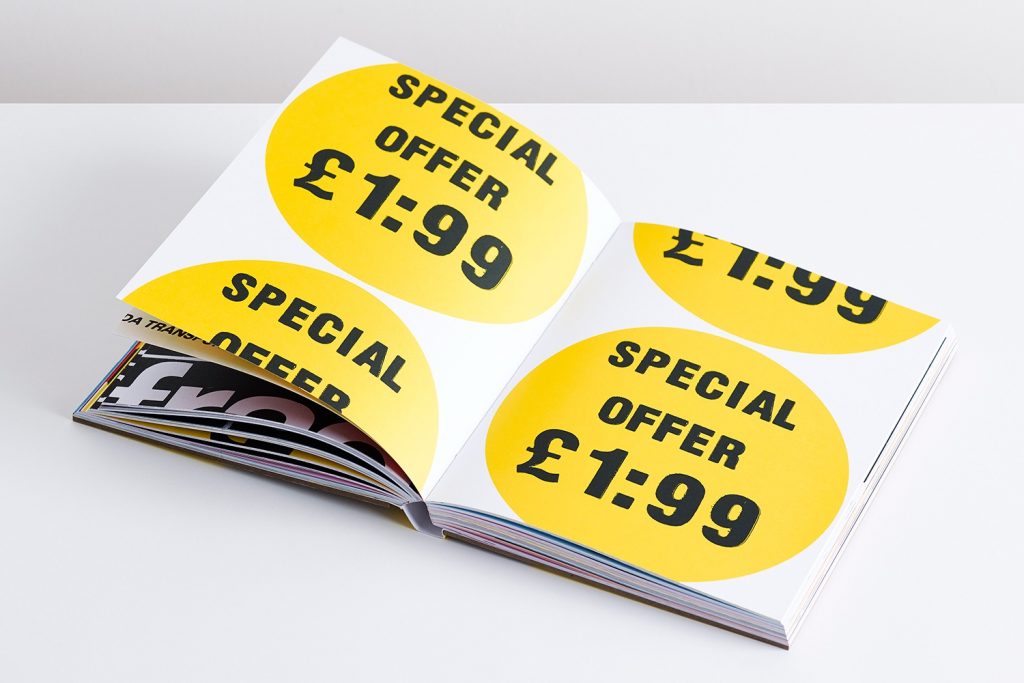
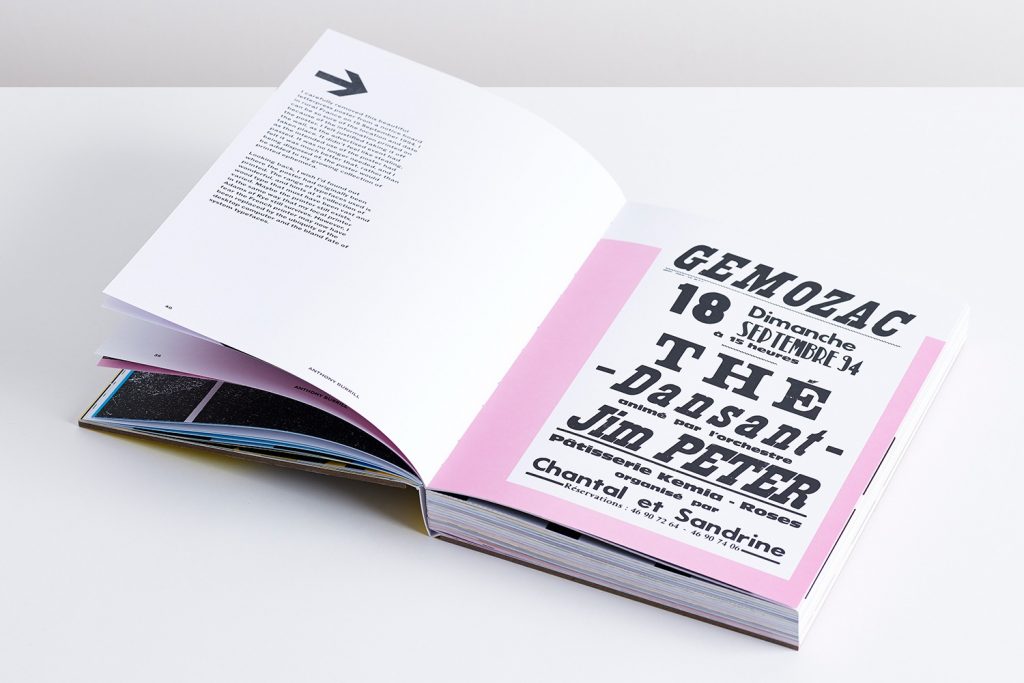
Anthony Burrill’s Look & See also made me pay more attention to the graphic language of everyday printed materials. I began extracting price marks from Price-Marked Packs (PMPs), as well as logos and typography, turning elements designed for commercial communication into materials for visual analysis.
However, this process raises another question. When I choose what to collect, enlarge and arrange, I also decide what the audience sees. My arrangements reveal existing connections but also create new ones. Through this research, I want to explore not only what is left on the street, but also how design can give new meaning to the everyday traces we overlook.
Reference
Burrill, A. (2017) Look & See. London: Unit Editions.
Perec, G. (1974) Species of Spaces and Other Places. Translated by J. Sturrock (1997). London: Penguin Books.
Suter, B. (2016) Parallel Encyclopedia #2. Amsterdam: Roma Publications.
Varda, A. (dir.) (2000) The Gleaners and I (Les glaneurs et la glaneuse) [Film]. Paris: Ciné-Tamaris.
Leave a Reply